Who Can Give Vitamin B12 Injections Are Vitamin B12 Shots Right for You?
Are Vitamin B12 Shots Right for You?
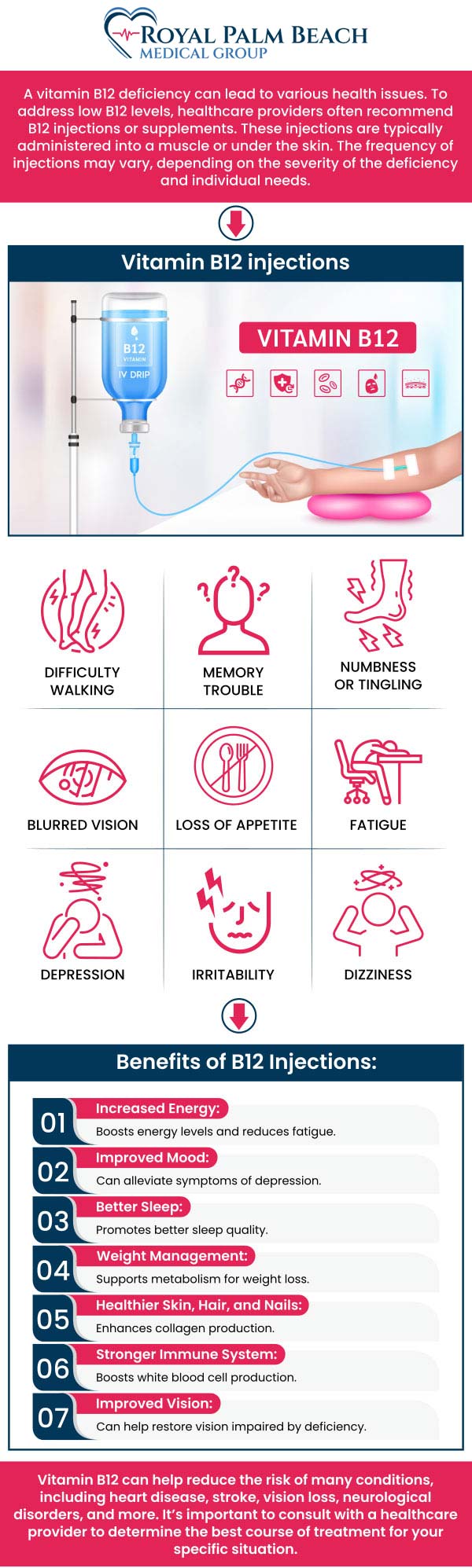
If you’ve ever felt “off” for weeks—fatigue that doesn’t lift, tingling or numbness in your hands or feet, brain fog, or shortness of breath on simple tasks—you may have wondered whether vitamin B12 shots could help. The tricky part is that not everyone should get injections. The real question is: who can give vitamin B12 injections, and who actually needs them?
In this guide, I’ll walk you through the situations where B12 injections make sense, who is appropriate for treatment, and how to choose a safe provider or clinician. I’ll also share what I’ve seen in real-world practice when people jump into injections without confirming the underlying cause—because that’s where most disappointments (and unnecessary risk) come from.
What Vitamin B12 Shots Do (and Why They’re Not One-Size-Fits-All)
Vitamin B12 is essential for red blood cell formation, nerve function, and DNA synthesis. When the body can’t absorb enough B12, levels drop and symptoms can develop—sometimes gradually, sometimes quickly.
B12 injections bypass the digestive tract. That’s the main advantage: they can deliver B12 effectively when absorption is impaired (for example, with certain gastrointestinal conditions or after some types of bariatric surgery).
In my hands-on work reviewing patient timelines, I’ve noticed a common pattern: people who have true malabsorption often feel more consistent improvement after injections compared with oral supplementation alone. But people whose symptoms come from something else—iron deficiency, thyroid issues, sleep apnea, uncontrolled blood sugar, medication side effects—often don’t get the outcome they expected. That’s why choosing the right candidates matters as much as the shot itself.
Common reasons clinicians consider B12 injections
- Confirmed B12 deficiency on labs (not just “low-normal” values).
- Malabsorption conditions (e.g., pernicious anemia or other GI absorption problems).
- History of bariatric surgery with ongoing low B12 or risk of recurrence.
- Neurologic symptoms (tingling/numbness) where timely correction is important.
- Inadequate response to oral B12 despite appropriate dosing and adherence.
Who Can Give Vitamin B12 Injections? A Practical Safety Guide
The question “who can give vitamin B12 injections” is more than logistics—it’s a safety issue. In most settings, B12 injections should be administered by trained healthcare professionals who can properly assess eligibility, confirm contraindications, and handle injection technique.
Typically appropriate providers
- Doctors (physicians) who evaluate symptoms and order/interpret labs.
- Nurse practitioners and physician assistants (where licensed) who can assess, prescribe, and administer.
- Registered nurses (RNs) and licensed practical/vocational nurses (LPNs/LVNs) in clinical settings, following standing orders and appropriate protocols.
- Pharmacists in settings where injection administration is permitted and properly authorized.
When “at-home” isn’t the right move
Some people consider self-injection or asking a non-clinician friend to do it. In real-world practice, I’ve seen how quickly small details get missed: incorrect dose, wrong injection site, contamination risk, or failing to recognize that the person’s symptoms might not be B12-related at all.
If you’re considering receiving or giving injections outside a clinical environment, the safest approach is to use a qualified provider and to ensure the prescription, formulation, and administration steps are clearly authorized.
What a competent provider should do first
- Review your symptoms, medical history, and medications.
- Check labs (commonly serum B12, and sometimes methylmalonic acid or homocysteine when appropriate).
- Decide on route and schedule based on your deficiency and risk factors.
- Document response and monitor for side effects and changing neurologic symptoms.
How to Tell If You Might Need B12 Injections (Without Guessing)
“I feel tired” is not enough to justify injections. In my experience, the most successful B12 treatment plans start with evidence: either lab-confirmed deficiency or a high-probability scenario where absorption is clearly impaired.
Red flags that make evaluation more important
- Neurologic symptoms: numbness, tingling, balance issues, or persistent burning sensations.
- Unexplained anemia or abnormal blood counts.
- Glucose or neuropathy concerns (sometimes symptoms overlap with diabetes-related nerve issues).
- Gastrointestinal history: chronic gastritis, inflammatory bowel disease, or prior bariatric surgery.
- Dietary risk: strict vegan diet without reliable supplementation.
How clinicians connect symptoms to B12 deficiency
B12 deficiency can show up in lab markers before symptoms worsen, but the relationship isn’t always immediate. If you have neurologic symptoms, clinicians often want to correct B12 sooner rather than later. The goal isn’t just raising a lab number—it’s restoring nerve and blood function over time.
On the practical side, if you’re already doing oral B12, the clinician may review whether the dose is adequate, whether you’re taking it correctly, and whether absorption is impaired. That “absorption logic” is where many injection decisions are made.
What to Expect From B12 Shot Treatment (Timeline, Benefits, and Limits)
People often expect rapid change, but outcomes depend on what caused the deficiency and how advanced it is.
Typical response patterns (generalized)
- Energy and blood-related symptoms may improve earlier for some people.
- Neurologic symptoms can take longer and may be incomplete if deficiency has been present for a long time.
- Follow-up labs help confirm the plan is working and that dosing remains appropriate.
Pros
- Bypasses absorption barriers in malabsorption conditions.
- Can be faster than oral strategies when deficiency is significant or symptomatic.
- Allows structured monitoring under clinical supervision.
Limitations and realistic expectations
- If your symptoms are not caused by B12 deficiency, injections won’t “fix” them.
- Deficiency due to other causes (or mixed deficiencies like iron and folate) may require a broader plan.
- Over-replacement isn’t the goal—dosing should match labs and clinical response.
Choosing the Right Plan: Injections vs. Oral B12 (How to Decide)
In practice, the decision often comes down to absorption risk and severity. Here’s how clinicians usually think about it.
When injections are more likely to help
- You have confirmed deficiency with symptoms.
- You have known malabsorption or absorption-limiting conditions.
- Oral supplementation hasn’t worked reliably.
When oral B12 may be reasonable
- You have mild deficiency or dietary risk without absorption barriers.
- You prefer a non-injection approach and your clinician agrees it’s appropriate.
- You can adhere to a dosing plan and follow up with labs.
My hands-on lesson learned
One of the most useful “pattern recognitions” I developed while reviewing real cases: people do best when the plan is tied to the reason B12 is low. If the root cause is malabsorption, injections (or an injection-like strategy) often outperform oral alone. If the root cause is dietary, structured oral supplementation and adherence can work well. The “why” drives the “how.”
FAQ
Can anyone give vitamin B12 injections?
No. The safest approach is to have injections given by licensed, trained healthcare professionals who can confirm medical need, prescribe the correct formulation, and administer it using proper technique and sterile practices.
Who should consider vitamin B12 shots specifically?
People with lab-confirmed B12 deficiency, suspected malabsorption conditions (including certain GI disorders or after bariatric surgery), inadequate response to oral B12, or significant neurologic symptoms that warrant timely correction are typical candidates.
How soon will I feel better after B12 shots?
It depends on what’s causing the deficiency and how long it’s been going on. Some blood-related symptoms may improve sooner, while neurologic symptoms can take longer and may not fully reverse if deficiency has persisted.
Conclusion: Are B12 Shots Right for You?
Vitamin B12 injections can be a strong option when deficiency is real and absorption is impaired—but they’re not a shortcut for every fatigue or nerve symptom. The most practical next step is to get the right evaluation and ensure injections are administered by an appropriate provider—especially if you’re asking who can give vitamin B12 injections.
Next step: Ask your clinician for a targeted assessment (including B12-related labs when appropriate) and discuss whether you need injections, oral B12, or a broader deficiency workup based on your symptoms and medical history.
Discussion